- A-6, Main Service Road,New Usmanpur, North East Delhi - 110053
- +91 9069689291
Spanners vs Wrenches: Key Differences Explained | Tool Guide 2025
25
Jul
Spanners vs Wrenches: Key Differences Explained | Tool Guide 2025
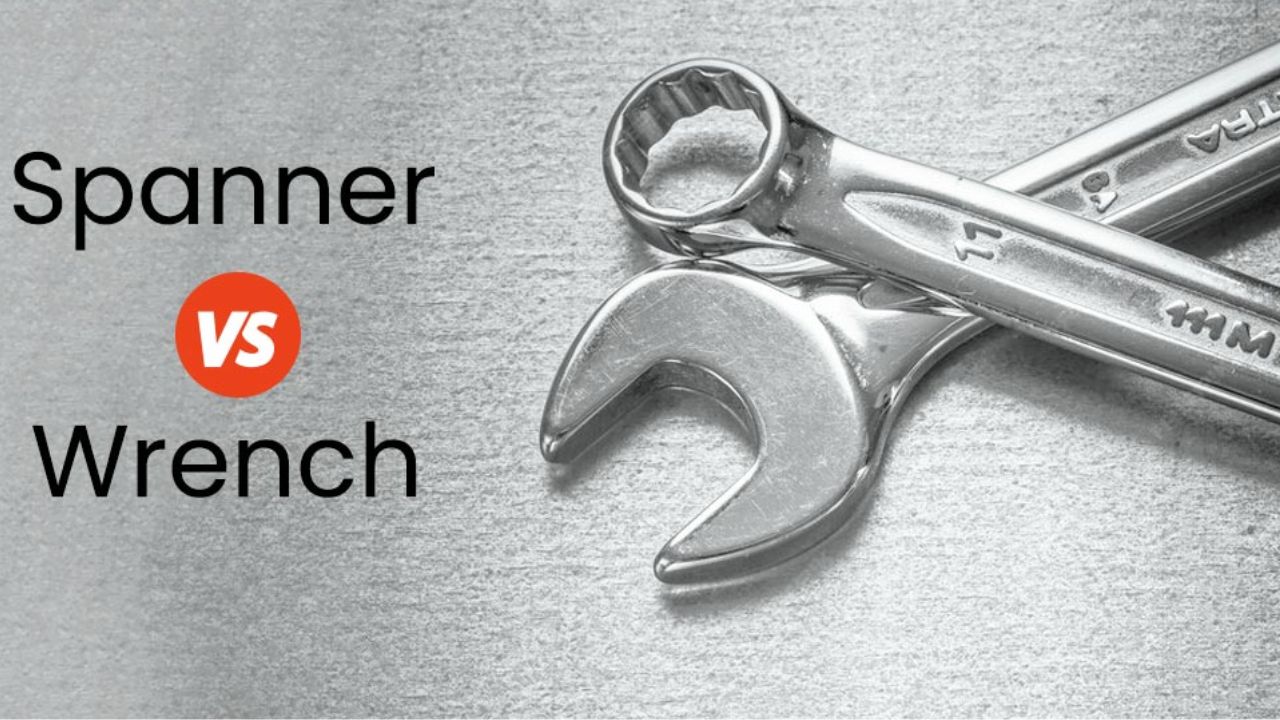
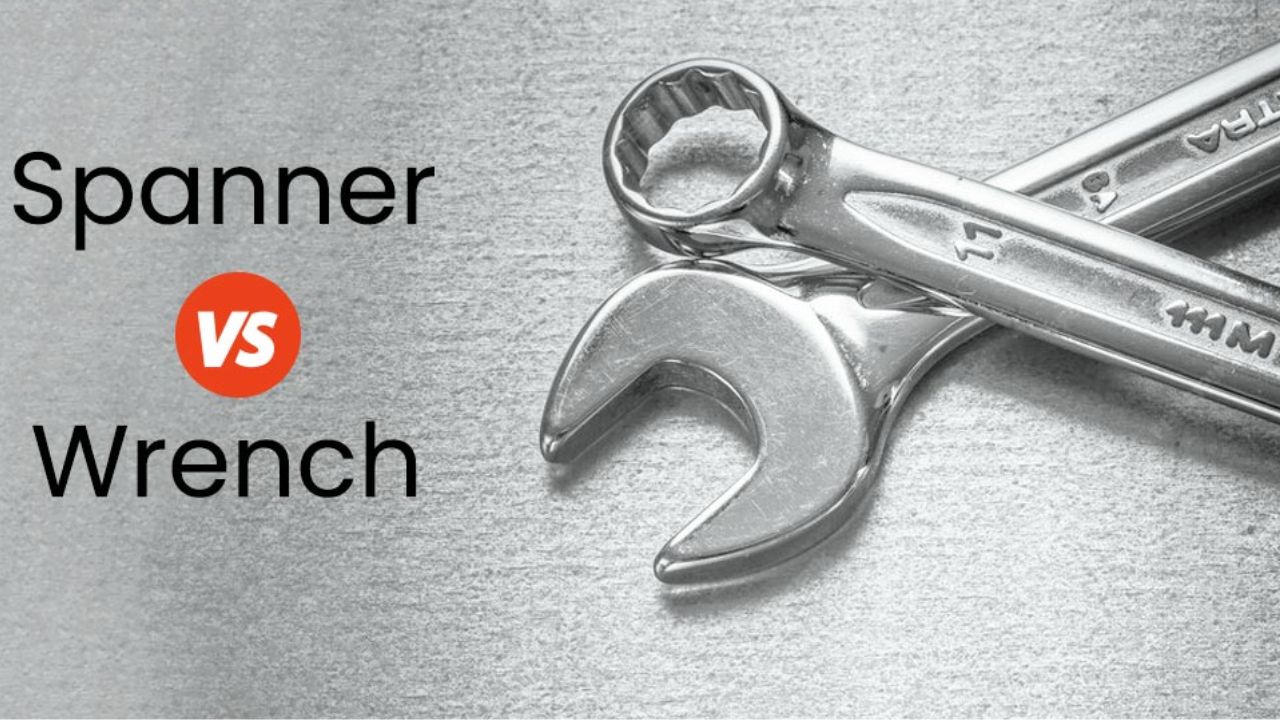
Ever walked into a hardware store, looked at the hand tool section, and thought — wait, are spanners and wrenches the same thing? You’re not alone. It’s one of the most common questions in the tool world. Both tools are used for turning fasteners like nuts and bolts, but they’re not exactly identical.
What Is a Spanner?
A spanner is a hand tool that is employed to hold and rotate things, primarily bolts and nuts. Spanners are varied in size and shape but usually possess fixed jaws in a particular size.
Types of spanners:
- Ring spanner
- Open-ended spanner
- Combination spanner
- Adjustable spanner
The adjustable spanner is the most universal, with an adjustable jaw that accommodates different sizes of fasteners.
What Is a Wrench?
In the US and Canada, spanner is often replaced with wrench. Still, in tool nomenclature, a wrench may describe a more general class of more elaborate or heavier-duty tools such as pipe wrenches or torque wrenches.
So, what is a wrench then? It's a tool that transmits torque — in other words, to tighten or loosen fasteners. Most spanners don't, but some wrench sets have ratcheting features for ease.
Types of wrenches:
- Socket wrench
- Torque wrench
- Pipe wrench
- Allen wrench (Hex key)
- Adjustable spanner wrench
Difference between Spanner and Wrench: The Terminology Twist
A spanner typically refers to a fixed-size tool with jaws or rings. These are ideal when you’re working with nuts and bolts of known dimensions.
A wrench may include more types (like ratchets and torque tools) and is often used in automotive or industrial settings. So, if you’re comparing spanner vs wrench, think of it as a comparison between precision and versatility.
All spanners are wrenches, but not all wrenches are spanners. This is why knowing the distinction between spanner and wrench is critical in deciding on the appropriate tools for your toolbox.
Adjustable Spanner vs Adjustable Wrench
The adjustable spanner. The tool features a adjustable jaw that can be moved to accommodate various sizes of nuts.
It’s perfect for:
- Plumbing
- Bicycle and car repair
- Household maintenance
This single tool can replace an entire wrench tool set if you’re short on space or budget. Its versatility is unmatched, especially when you’re constantly switching between bolt sizes.
Regardless of where you are, the adjustable version is a universal solution to the discrepancy between spanner and wrench.
How to Decide Between a Spanner and a Wrench
Need help deciding which one to pick up? The right choice is based on the type of task you're facing and where you live. Knowing the difference between wrench and spanner can also make your toolbox region-specific.
Use a spanner when:
- You require a close, fixed fit on a bolt
- You are handling metric sizes
- The task demands thin, compact tools
Use a wrench when:
- You’re working with SAE or imperial units
- You need ratcheting or torque control
- You’re handling large bolts or plumbing fixtures
Why the Right Tool Matters
The wrong tool can strip fasteners, mar the finish, or even hurt your hand. Tools choice affects efficiency and safety directly. The distinction between spanner and wrench may appear insignificant, but it can have a significant impact on the job. Based on industry statistics, applying an ill-fitting wrench upsets the balance, doubling or tripling the risk of slippage, particularly in mechanical applications.
Require top-of-the-line hand tools? Check out a whole variety of spanners and wrenches that Industrialtools have to offer.
Call: