- A-6, Main Service Road,New Usmanpur, North East Delhi - 110053
- +91 9069689291
How to Choose the Right ITI Tools for Training Institutes: A Complete Buyer’s Guide

19
Nov
How to Choose the Right ITI Tools for Training Institutes: A Complete Buyer’s Guide
How to Choose the Right ITI Tools
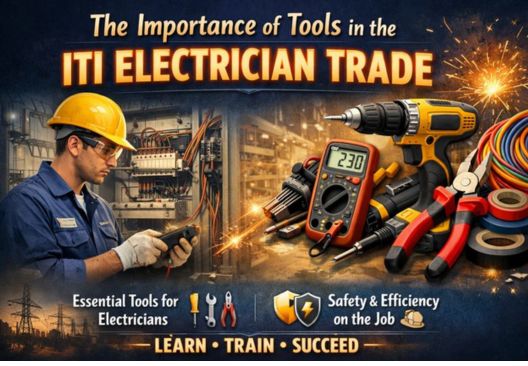
ITIs play a vital role in molding skilled technicians in various industries of the country, and the quality of training depends on the quality of tools and equipment used in the workshop. Choosing appropriate ITI tools ensures that students get practical experience in learning to follow work procedures in the industry and become job-ready after completion of training.
Be it establishing or upgrading an ITI institute, here is a comprehensive guide to select appropriate ITI tools for your training programs.
1. Understanding the Trade Specifications Required
In ITI, each trade has a list of tools and equipment related to the trade, which are prescribed by NCVT or SCVT.
Before making purchasing decisions, review the specifications for relevant trades, including but not limited to:
- Electrician
- Fitter
- Welder
- Diesel Mechanic
- Refrigeration & AC Technician
- Electronics Mechanic
- Turner or Machinist
This means that all compliance is adhered to and money will not be spent on unnecessary tools.
2. The tools used should be at an industrial level.
Training should utilize only tools that students are likely to encounter in the workplace.
Good-quality and industry-standard tools enable the learner to become confident and familiar with a modern work environment.
Look for the following tools, which are:
- Durable
- Ergonomically designed
- Non-hazardous to handle
- Technical updated
This is very important, especially in Welding, Electronics, and Automobile.
3. Focus on Durability and Build Quality
Some of them are used every day by many students in ITI. The cheaper ones or the inferior quality tools tend to break down very soon and hence need more maintenance expenses.
Ensure that tools are made of:
- High-grade steel
- Heat-resistant materials
- Insulation, shock-proof (for electric tools)
- Anti-corrosion coatings
Stronger tools mean fewer recurring costs and greater safety.
4. Ensure Safety and Certification Compliance
Safety is of primary consideration in practical workshops. At all times select tools that fulfill the following :
- ISO standards
- BIS certifications
- Electrical safety norms
- Fire safety principles
Accredited equipment limits the occurrence of accidents, hence enabling students to train safely.
5. Tools to Be Selected According to Classroom Size & Student Strength
Buying too many or too few tools is another common mistake. Always consider:
- Number of students per batch
- Workshop layout
- Workstation spacing
Ideally, practical lessons should provide all students with the opportunity of tool handling.
6. The main protective equipment and hand tools
In addition to training aids, have available :
- Safety gloves
- Goggles
- Helmets
- Aprons
- First-aid kits
- Fire extinguishers
- Ventilation and dust collection systems
A fully-equipped workshop assures safety and efficiency in learning.
7. Plan Your Budget Wisely: Quality Over Quantity
The budget is generally the most limiting factor; particularly for new institutes. Design a well-balanced equipment plan:
- Buy needed tools first
- Invest in quality, not just low price.
- Buy in bulk for discounts.
- Review government toolkit guidelines for cost optimization.
This helps improve students' performance, hence reducing frequent replacements.
8. Buy Tools from Recognized Suppliers
Reliable suppliers mean consistent quality, proper documentation, and rapid support.
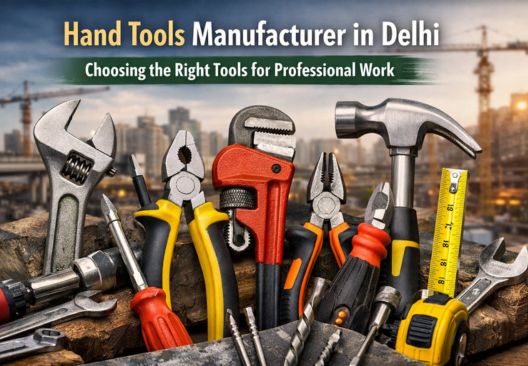
Choose suppliers who: Industrial tools is one of the best ITI Tools manufactrers in Delhi. Trade-specific kits provision Provide guidance on installation and training Ensure timely delivery This assures ease in the setup of new institutes.
Call: +91 9318408585
Email: support@industrialtool.in
Website: www.industrialtool.in